
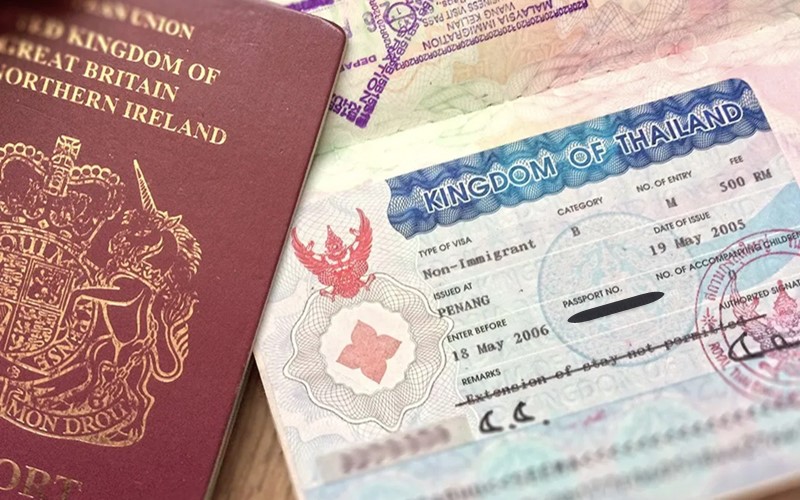
Tourist Visa in Thailand. Thailand is one of the world’s most popular travel destinations, attracting millions of visitors annually for tourism, leisure, medical travel, and cultural exploration. While many nationalities can enter Thailand visa-free for short stays, others must obtain a Tourist Visa prior to arrival. Even visa-exempt travelers are still subject to strict immigration laws governing permitted activities, length of stay, and compliance obligations.
This article provides an in-depth explanation of Thailand’s Tourist Visa system, including its legal basis, types of tourist visas, eligibility requirements, application procedures, extension rules, permitted and prohibited activities, common compliance risks, and penalties for violations.
II. Legal Framework and Immigration Authority
A. Immigration Act B.E. 2522 (1979)
Tourist visas are governed primarily by the Immigration Act B.E. 2522, which regulates:
-
Entry and exit of foreign nationals
-
Visa issuance and conditions of stay
-
Powers of immigration officers
-
Overstay penalties and deportation
Under this law, all foreign nationals must comply strictly with the purpose of stay declared at entry.
B. Immigration Bureau and Ministry of Foreign Affairs
-
Thai Embassies and Consulates abroad issue tourist visas.
-
The Immigration Bureau enforces visa conditions and handles extensions, reporting, and enforcement within Thailand.
Both authorities have discretion in approving, denying, or canceling visas.
III. Types of Tourist Visas in Thailand
A. Single-Entry Tourist Visa
A single-entry tourist visa allows:
-
Entry within 3 months of issuance
-
A stay of up to 60 days
-
One entry only
Once the visa holder exits Thailand, the visa becomes void.
B. Multiple-Entry Tourist Visa (METV)
The Multiple-Entry Tourist Visa is valid for:
-
6 months
-
Multiple entries during validity
-
60 days per entry
This visa is suitable for frequent travelers but has higher documentation requirements.
C. Visa-Exempt Entry
Nationals of certain countries may enter Thailand without a visa for tourism purposes. Visa-exempt stays are typically:
-
30 days when entering by air or land
-
Subject to periodic policy changes
Visa exemption is not a tourist visa and carries different compliance risks.
IV. Eligibility Requirements
While requirements vary by nationality and embassy, common eligibility criteria include:
-
Valid passport (minimum 6 months validity)
-
Confirmed return or onward travel
-
Proof of accommodation
-
Evidence of sufficient funds
-
Clean immigration history
-
Genuine tourism intent
Applicants with prior overstays or frequent back-to-back entries may face heightened scrutiny.
V. Tourist Visa Application Process
A. Application Outside Thailand
Tourist visas must generally be applied for at a Thai Embassy or Consulate abroad. The process includes:
-
Completing the visa application form
-
Submitting supporting documents
-
Attending an interview (if required)
-
Paying the visa fee
Processing times typically range from 2 to 10 business days, depending on location.
B. Supporting Documents
Commonly requested documents include:
-
Passport bio page
-
Passport photos
-
Flight itinerary
-
Hotel bookings or invitation letter
-
Bank statements
-
Employment verification or explanation of travel purpose
Embassies may request additional documentation at their discretion.
VI. Permitted and Prohibited Activities
A. Permitted Activities
Tourist visa holders may:
-
Travel and vacation
-
Visit friends and family
-
Attend cultural events
-
Receive medical treatment
-
Explore business opportunities (without working)
B. Prohibited Activities
Tourist visa holders may not:
-
Work or receive compensation
-
Volunteer in roles normally paid
-
Conduct business operations
-
Teach, consult, or provide services
-
Enroll in long-term study programs
Any form of work requires a Non-Immigrant visa and work permit.
VII. Extensions of Stay
A. Standard Extension
Tourist visa holders may apply for a 30-day extension at an Immigration Office before the visa expires. Required documents typically include:
-
TM.7 application form
-
Passport and visa copy
-
Photo
-
Extension fee
Approval is discretionary and not guaranteed.
B. Limitations on Repeated Extensions
Frequent extensions or repeated tourist entries may trigger suspicion of visa abuse. Immigration officers may:
-
Deny extensions
-
Shorten permitted stays
-
Refuse entry at the border
VIII. Compliance and Reporting Obligations
A. Overstay Rules
Overstaying a tourist visa results in:
-
Daily fines
-
Possible detention
-
Deportation
-
Immigration blacklisting
Overstays exceeding 90 days can result in multi-year entry bans.
B. Address Reporting
Hotel stays are reported by accommodation providers. Visitors staying in private residences must ensure compliance with TM.30 reporting requirements.
IX. Common Compliance Risks and Mistakes
Common issues faced by tourists include:
-
Working illegally on a tourist visa
-
Assuming visa exemption equals unlimited entry
-
Overstaying due to miscalculation
-
Using tourist visas for long-term residence
-
Ignoring immigration discretion at entry points
Thai immigration authorities actively monitor patterns of misuse.
X. Tourist Visa vs. Long-Term Stay Options
Tourist visas are not intended for long-term residence. Individuals seeking extended stays should consider:
-
Retirement Visa
-
Marriage Visa
-
Education Visa
-
Business or Work Visa
-
Thailand Privilege Visa
Using tourist visas to reside long-term may lead to denial of future visas.
XI. Enforcement and Penalties
Immigration officers have broad authority to:
-
Deny entry
-
Cancel visas
-
Detain and deport violators
-
Impose re-entry bans
Violations can impact future travel not only to Thailand but to other countries due to shared immigration data.
XII. Practical Risk Management Strategies
To maintain lawful status:
-
Choose the correct visa type for your purpose
-
Track visa expiration dates carefully
-
Avoid any form of employment
-
Limit consecutive tourist entries
-
Seek legal advice if planning long stays
Proper planning helps avoid serious immigration consequences.
XIII. Conclusion
Thailand’s Tourist Visa system is designed to facilitate genuine short-term travel while preventing misuse for employment or long-term residence. While relatively straightforward, the system is enforced strictly, with immigration authorities exercising wide discretion in approvals, extensions, and entry decisions.
Understanding visa types, permitted activities, extension rules, and compliance risks is essential for any traveler wishing to enjoy Thailand without legal complications. For those seeking extended stays or work opportunities, transitioning to an appropriate long-term visa is critical to remaining compliant with Thai immigration law.